Houston, a city synonymous with ambition, innovation, and a vibrant cultural tapestry, often finds its modern identity intertwined with discussions about its geographical location and the potential for **houston severe weather**. While the city's preparedness and resilience in the face of meteorological challenges are certainly part of its ongoing story, exploring Houston's past reveals a narrative far richer and more diverse than a mere reflection on climate. This article delves into the profound historical currents that have shaped this Texas metropolis, inviting readers to look "beyond major weather events" and discover the true depth of its heritage.
The Foundations of a Metropolis: From Swamp to Seaport
The story of Houston begins not with towering skyscrapers, but with a vision. In August 1836, brothers Augustus Chapman Allen and John Kirby Allen purchased 6,642 acres of land along Buffalo Bayou, proclaiming it the future "great interior commercial emporium of Texas." At the time, it was little more than marshland, a fact that perhaps made the early settlers acutely aware of their environment, though their focus was on commerce. Their strategic choice of a navigable waterway, albeit a shallow one, laid the groundwork for what would become the bustling Port of Houston.
The early years were marked by relentless effort to transform the bayou into a viable shipping channel. Despite primitive dredging methods and the immense logistical hurdles, the determination to connect Houston to the Gulf of Mexico was unwavering. This pioneering spirit, an early testament to Houston's enduring resilience, saw the city grow from a rough frontier town to a burgeoning trade hub. It's a history that speaks to human ingenuity and perseverance against natural obstacles, a narrative of shaping the land to fit a grand economic vision. This drive to overcome geographical limitations laid the groundwork for future advancements, often in the shadow of regional weather patterns but rarely defined by them.
Oil, Industry, and Unprecedented Growth: Fueling a Modern Giant
While the Port of Houston was a critical early engine, it was the discovery of oil that truly propelled the city onto the world stage. Though the famed Spindletop gusher occurred near Beaumont in 1901, its reverberations were profoundly felt in Houston. The city quickly became the administrative and financial center for the burgeoning oil industry. Companies flocked to the area, establishing headquarters, refineries, and a vast network of infrastructure that would solidify Houston’s reputation as the "Energy Capital of the World."
This era of unprecedented economic growth saw Houston's population explode, attracting innovators, entrepreneurs, and laborers from across the globe. The rapid industrialization transformed the urban landscape, fostering a dynamic environment where diverse communities thrived. It was a period of intense development, where the focus was squarely on expanding economic horizons and building new industries, driving the city forward with an almost unstoppable momentum. This historical boom illustrates a past defined by economic ambition and industrial might, demonstrating how Houston's trajectory was largely independent of, though always mindful of, its surrounding natural environment, which occasionally included **houston severe weather** events.
Reaching for the Stars and Healing the World: NASA and the Texas Medical Center
Houston's identity is not solely rooted in oil; it also reaches for the stars and delves into the depths of human health. The establishment of the Manned Spacecraft Center (now the Lyndon B. Johnson Space Center) in 1961 solidified Houston's place as "Space City." This move brought a new wave of scientific innovation, engineering prowess, and a global spotlight. From mission control to astronaut training, Houston became the heart of America's space exploration efforts, inspiring generations and pushing the boundaries of human achievement.
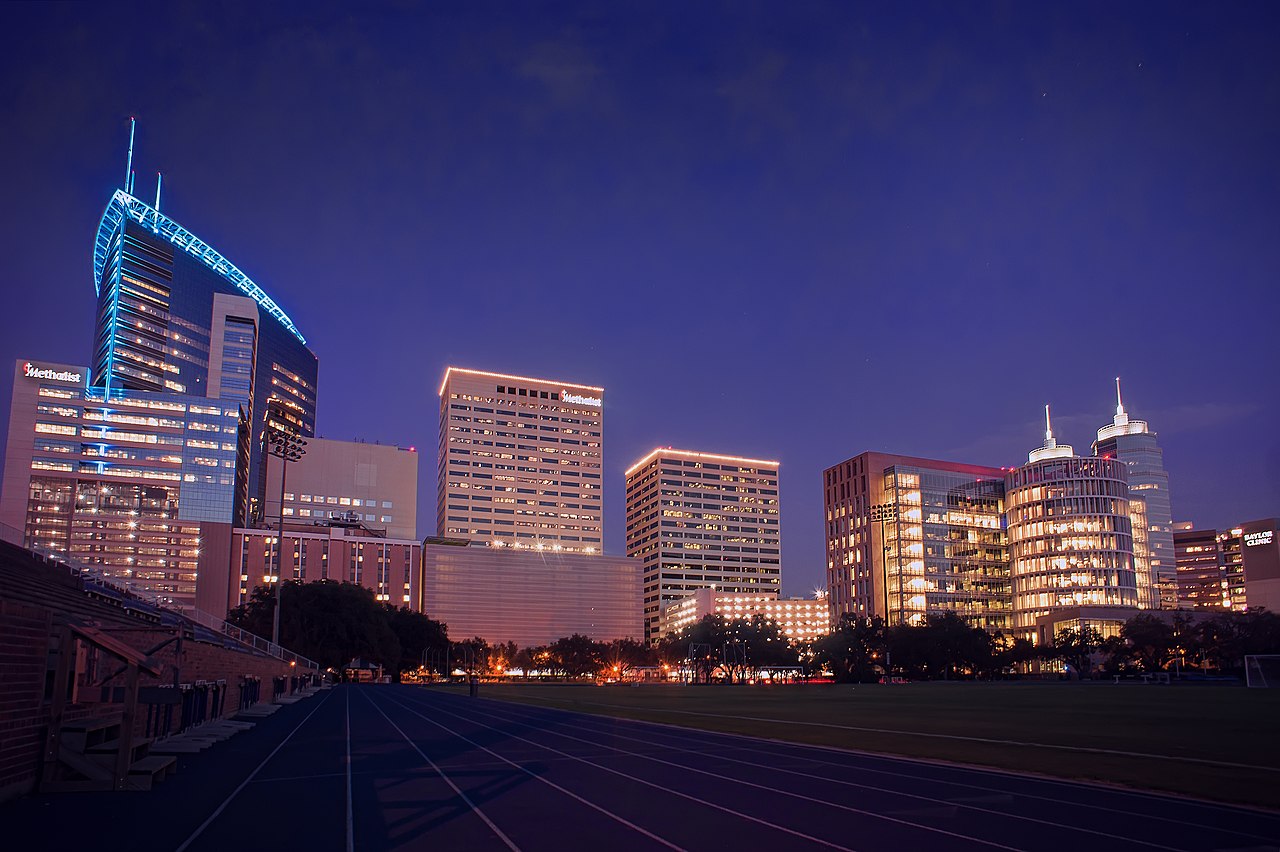
In parallel, the Texas Medical Center (TMC) blossomed into the largest medical complex in the world. Encompassing hospitals, research institutions, and academic centers, the TMC is a global leader in patient care, research, and education. It draws top medical talent and patients seeking cutting-edge treatments from every corner of the globe. These two pillars—space exploration and advanced medicine—showcase Houston's remarkable capacity for innovation and its commitment to improving humanity. They represent a historical trajectory built on intellectual capital and grand aspirations, offering a counter-narrative to any singular focus on regional climate challenges. This forward-thinking spirit, continually overcoming obstacles whether scientific or medical, is a testament to a foundational resilience.
Beyond the Headlines: Culture, Diversity, and Enduring Resilience
Beyond its industrial might and scientific achievements, Houston boasts a vibrant cultural scene and a truly global diversity that enriches its past and present. The city is a melting pot of cultures, with over 145 languages spoken, reflected in its world-class culinary landscape, diverse neighborhoods, and a thriving arts scene. Institutions like the Museum District, with its numerous acclaimed museums, and the vibrant performing arts venues underscore Houston's commitment to culture and community.
This inherent diversity and pioneering spirit have also contributed to Houston's long-standing resilience. Historically, Houstonians have faced numerous challenges—from economic downturns to the ongoing task of managing a growing city in a dynamic environment. While the discussion around
Houston's Weather: A Look Back at Nearby Galveston's 1900 Hurricane Impact highlights the profound effect of regional meteorological events, Houston's own historical narrative is one of consistent adaptation and rebuilding, often focusing on its economic engine and strategic advantages. The city's ability to bounce back and reinvent itself is not just a modern trait; it's woven into its very foundation, a continuous thread of ingenuity and determination that predates any specific severe weather event within its borders. When considering how Houston markets itself, it's clear that
How Houston's Tourism Focus Navigates Weather Narratives by emphasizing its broad appeal and enduring strengths.
Indeed, understanding Houston's past means appreciating its continuous evolution. It’s a city that has always looked forward, a trait that allowed it to transform from a muddy bayou settlement into a global powerhouse. Its historical journey is defined by bold visions, significant investments, and the collective efforts of a diverse population, all contributing to a legacy that stands tall, regardless of the weather.
In conclusion, while the topic of **houston severe weather** is a crucial modern consideration for residents and urban planners, delving into Houston's extensive history reveals a magnificent tapestry woven with threads of commerce, innovation, scientific achievement, and profound cultural diversity. It is a past defined by audacious dreams, relentless growth, and an unwavering spirit of resilience that transcends any single challenge. To truly know Houston is to appreciate this multifaceted journey, a testament to human endeavor that continues to build a future as grand as its storied past.